Different Types of SEO Services Explained
Nov 5, 2025

Search Engine Optimisation (SEO) is one of the most effective ways to grow your online presence. Yet many business owners don’t realise that SEO isn’t a single process. It’s a blend of different strategies that work together to improve visibility, authority, and conversions.
Understanding the different types of SEO services helps you focus your marketing efforts and know what to expect from a professional campaign.
This guide explains the main categories of SEO, how they work, and how to choose the right combination for your business goals.
What Are SEO Services?
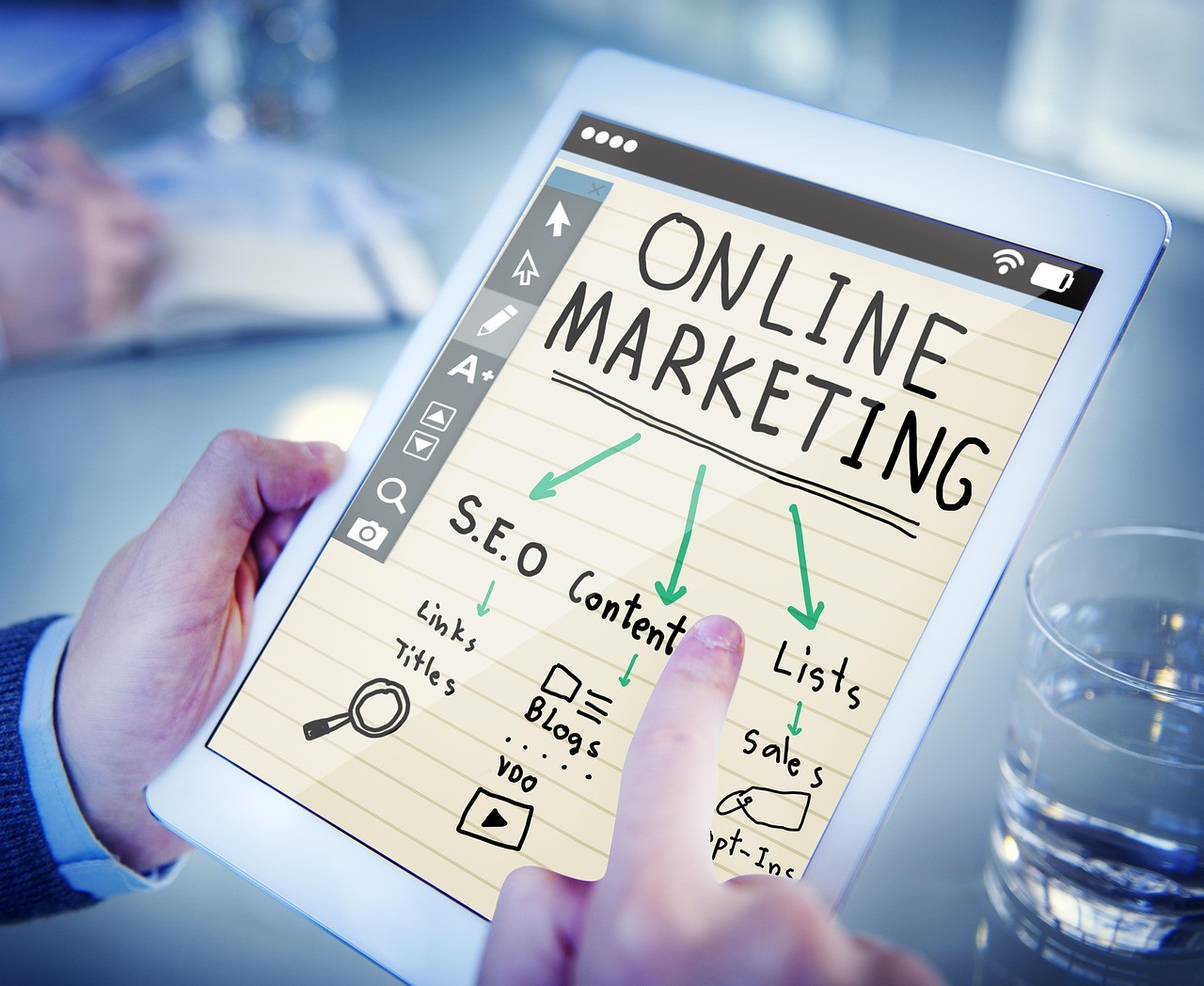
SEO services are professional strategies designed to improve a website’s visibility in search engine results. These services cover everything from technical optimisation and content creation to link building and local visibility.
Effective SEO combines research, data, and creative execution. A professional SEO agency will assess your website, analyse your competitors, and develop a strategy to help you attract the right audience. Whether you operate a local shop or an international brand, SEO can be tailored to your specific goals.
How Many Types of SEO Services Are There?
There are many types of SEO services, but most fall into four main categories:
On-page SEO
Off-page SEO
Technical SEO
AI SEO
Alongside these core areas are specialised forms of SEO such as local SEO and e-commerce SEO, which address more specific needs.
On-Page SEO: Optimising What’s on Your Website

On-page SEO focuses on everything within your website that helps search engines and users understand your content. It’s the foundation of every SEO strategy.
This includes writing relevant, high-quality content that answers user questions, using well-researched keywords naturally within your pages, and structuring content with clear headings. On-page SEO also involves creating effective meta titles and descriptions, optimising images, and adding internal links that help visitors and search engines navigate your site.
When executed properly, on-page SEO improves both visibility and user experience, making your website more engaging and easier to find.
Off-Page SEO: Building Authority and Credibility
Off-page SEO focuses on activities that happen beyond your website but still influence your rankings. The goal is to build authority and trust across the web.
The most important off-page factor is link building, which involves earning backlinks from reputable websites. Each link acts as a signal of credibility in the eyes of search engines. Other off-page techniques include brand mentions, guest posting on relevant blogs, and active social media engagement.
Although results take time, off-page SEO creates lasting authority and strengthens your website’s overall ranking potential.
Technical SEO: Creating a Strong Foundation
Technical SEO deals with the behind-the-scenes aspects that allow search engines to crawl, index, and understand your site. It ensures your website runs smoothly and meets modern performance standards.
This includes improving site speed, ensuring mobile responsiveness, using SSL certificates for security, and maintaining clean site architecture. XML sitemaps, robots.txt files, and schema markup all help search engines better interpret your content.
Without strong technical SEO, even high-quality content may struggle to appear in search results.
GEN AI SEO: Optimising for AI-Driven Search
Artificial intelligence is transforming the way search engines display information. GEN AI SEO focuses on optimising for AI-based systems such as Google’s AI Overview, Bing Copilot, and ChatGPT search results.
This new approach involves writing conversational, informative content that AI tools can interpret and summarise effectively. It also includes using structured data, strengthening E-E-A-T (Experience, Expertise, Authority, Trustworthiness) signals, and building topical authority across your content.
Businesses that adapt to AI SEO early will be better positioned for the next evolution of online search.
Local SEO: Reaching Nearby Customers
For businesses that rely on local customers, local SEO is essential. It helps your website appear in searches based on location, such as “dentist near me” or “coffee shop in Manchester.”
Local SEO focuses on optimising your Google Business Profile, ensuring your business name, address, and phone number (NAP) are consistent across directories, and collecting customer reviews. Creating location-based landing pages and locally targeted blog posts also helps attract nearby traffic.
A well-optimised local SEO strategy can significantly increase visibility within your community and drive more in-person sales or bookings.
Content SEO: Creating Value That Converts
Content SEO is about producing relevant, helpful information that matches user intent and search demand. It’s the most direct way to connect with your audience while improving your visibility online.
This involves keyword research, topic clustering, and writing informative content that positions your business as a trusted expert. Regularly publishing optimised blog posts, updating older content, and linking related pages together can build topical authority over time.
When done well, content SEO not only attracts new visitors but also turns them into loyal customers.
E-Commerce SEO: Driving Online Sales

E-commerce SEO focuses on improving the visibility of online shops and product listings. It ensures that your products appear in front of potential buyers when they search for what you sell.
This includes optimising product titles and descriptions, adding schema markup for reviews and prices, and improving site structure for smoother navigation. Product images and user reviews can also be enhanced for both engagement and ranking benefits.
E-commerce SEO combines technical precision with persuasive content to increase both traffic and conversions.
Mobile SEO: Catering to Modern Browsing Habits
Mobile SEO ensures your website delivers a seamless experience across all mobile devices. As Google now uses mobile-first indexing, mobile optimisation is essential.
It focuses on fast page load times, responsive design, and simplified navigation. A mobile-friendly website keeps users engaged longer and reduces bounce rates, both of which are positive signals for search engines.
Voice Search SEO: Adapting to Conversational Search
Voice search is becoming increasingly popular through devices like Alexa, Google Assistant, and Siri. Voice search SEO helps your website appear in spoken search results.
It involves using natural, conversational language and answering common questions directly within your content. Structuring information clearly, such as through FAQs or short paragraph answers, makes it easier for voice assistants to extract information from your site.
Adapting early to voice search can give your brand a valuable competitive advantage.
Enterprise SEO: Managing Complex Websites
Enterprise SEO is designed for large organisations with complex websites containing hundreds or even thousands of pages. It focuses on maintaining consistent optimisation across all sections of a website while managing scalability.
This includes advanced keyword management, cross-department collaboration, and automation of technical tasks. Enterprise SEO ensures that big brands maintain visibility across multiple markets, products, and languages.
What Is the Best SEO Service?
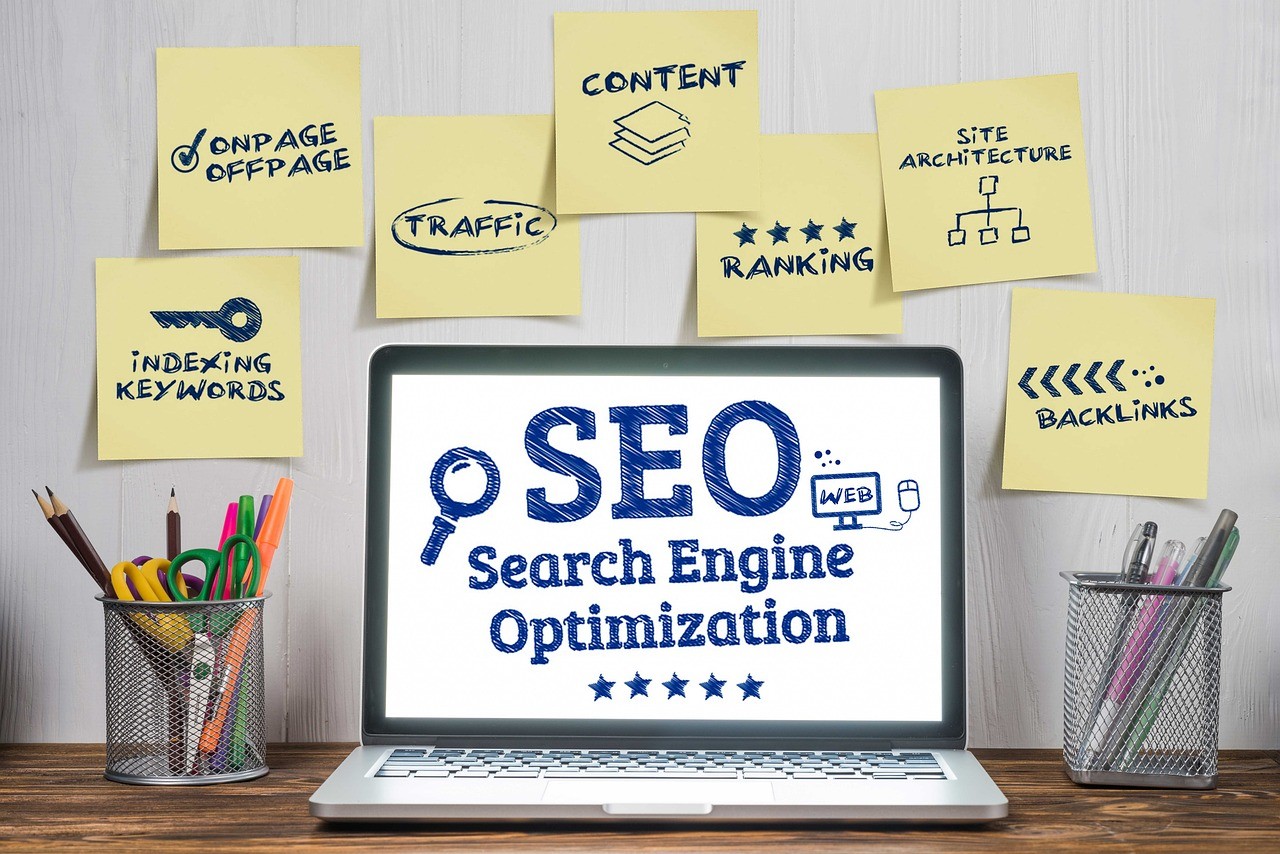
There isn’t one single best SEO service for every business. The right choice depends on your goals, audience, and competition.
If you’re trying to attract local customers, local SEO is the most important. For improving website performance and rankings, focus on on-page and technical SEO. To build brand credibility and reach, invest in off-page SEO and content marketing.
For e-commerce businesses, product page optimisation is key. And if you want to stay ahead of search trends, AI SEO is increasingly valuable.
In most cases, combining multiple SEO services provides the strongest and most sustainable results.
Choosing the Right SEO Services

When selecting an SEO provider, look for transparency, expertise, and evidence of results. A reliable agency will begin with a full SEO audit, clearly outline its strategy, and provide ongoing reporting.
Choose an agency that offers tailored solutions rather than generic packages. Avoid companies that guarantee instant results or top rankings, as ethical SEO is a gradual process that delivers long-term success.
True SEO growth requires time, strategy, and consistent effort.
Final Thoughts
Understanding the different types of SEO services helps you make smarter, more informed decisions about your digital marketing strategy. From on-page and off-page SEO to technical and AI optimisation, each type plays an essential role in improving visibility and performance.
The most successful SEO campaigns combine these elements into a single, well-rounded approach that attracts qualified traffic and drives measurable growth. Whether you’re a local business or a global brand, investing in the right SEO mix can help you dominate your search market and grow sustainably.
Contact Famoso now to get a free consultation for your upcoming SEO strategy.